Understanding the financial nuances of accounting can feel like trying to decipher a toddler’s crayon drawings, confusing and often messy. But fear not. Today, we’re peeling back the layers of ‘period costs’ and ‘product costs,’ two accounting concepts that can make or break a business. By the end of this article, you’ll see these costs in a totally new light, and we promise it won’t be all numbers and no fun. Let’s immerse.
Understanding Cost Classifications
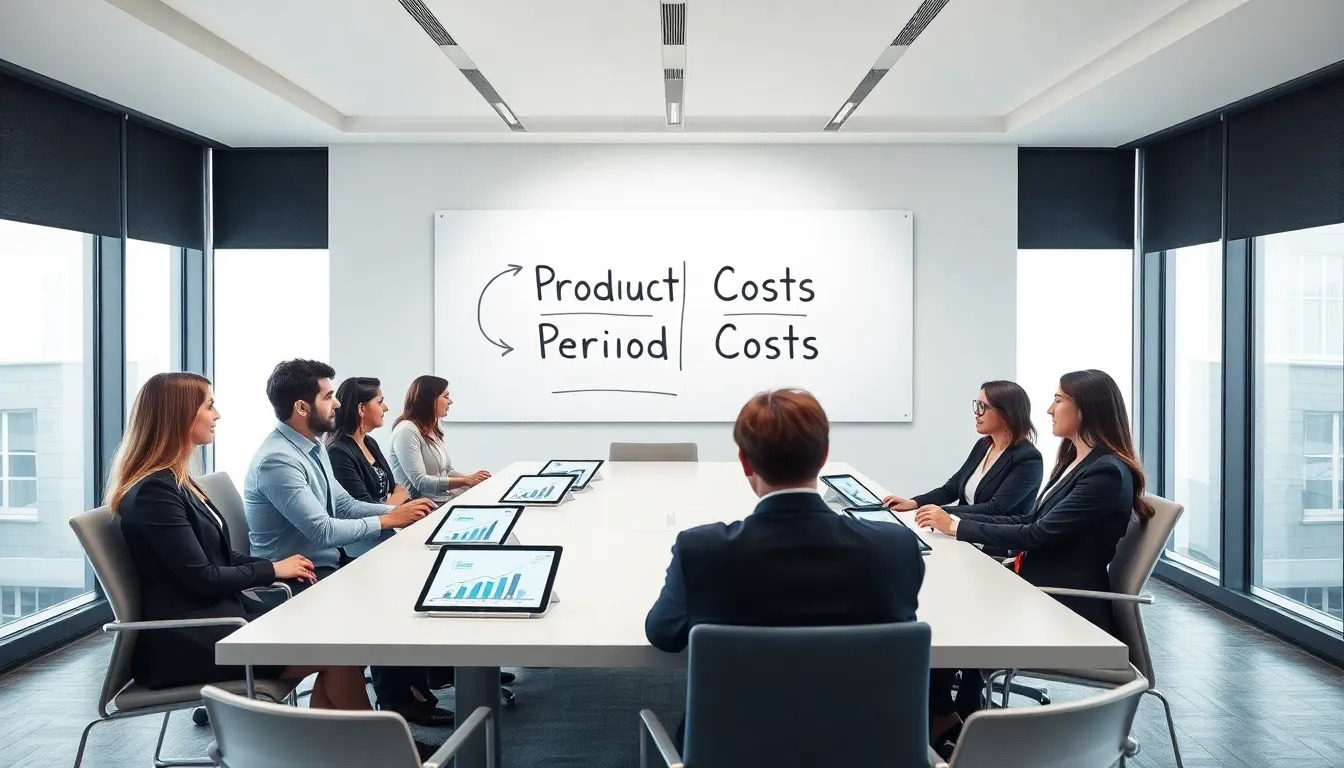
When it comes to accounting, understanding how costs are classified is crucial for anyone involved in business management or finance. This classification provides a roadmap for tracking expenses and evaluating financial health.
Typically, costs are split into two main categories: product costs and period costs. Product costs are directly tied to the creation of a product, while period costs are associated with the passage of time and are not tied to any specific product.
Recognizing these classifications helps businesses allocate resources and manage expenses more effectively. This knowledge allows company leaders to make informed decisions, eventually leading to better financial outcomes.
Defining Product Costs
Product costs refer to all the costs that are directly associated with manufacturing a product. This includes the costs of materials, labor, and overhead that go into creating a product before it’s ready for sale.
To put it plainly, if it takes money to make it, it’s probably a product cost. This category includes three essential types:
- Direct Materials: These are the raw materials that go into the final product.
- Direct Labor: This includes wages for workers who are directly involved in production.
- Manufacturing Overhead: These costs are indirect, such as factory utilities or depreciation on manufacturing equipment, that support the production process.
Together, these elements paint a picture of what it really costs to bring a product to market. They also play a significant role in financial statements, specifically in determining the cost of goods sold (COGS), which eventually affects profitability.
Defining Period Costs
In contrast to product costs, period costs are not tied to the production process. These costs are incurred by a business over a period of time. They are generally associated with business operations and administrative expenses.
Examples of period costs include:
- Selling Expenses: These are costs related to marketing, advertising, and distribution.
- Administrative Expenses: Salaries for executives and administrative staff fall into this category.
- Rent and Utilities not directly tied to manufacturing: Office space costs and general utilities are included here as well.
Period costs are accounted for in the period in which they are incurred. Unlike product costs, they do not become part of the final inventory valuation. Knowing the distinction is important for accurate financial reporting and budgeting.
Key Differences Between Period and Product Costs
Understanding the key differences between period and product costs can fundamentally change how a business identifies and manages its expenses.
How Costs Affect Financial Statements
Product costs will appear on the balance sheet as inventory until they are sold, at which point they flow to the income statement under COGS. Conversely, period costs go straight to the income statement in the period they are incurred, impacting net income immediately.
Impact on Profitability Analysis
The distinction between these two types can influence profitability analyses significantly. Product costs directly affect gross profit, while period costs can impact operating profit. Knowing where each cost falls helps management get a clearer view of where to tighten the purse strings.
Implications for Business Decision-Making
Recognizing the differences between product and period costs is not just an academic exercise: it has real implications for business decision-making.
Best Practices for Cost Management
A good rule of thumb is to regularly review and categorize costs. Ensuring that product costs are minimized can lead to higher gross margins. For period costs, businesses should evaluate their operating expenses regularly to identify any areas for potential savings.
By employing cost allocation methods, such as activity-based costing, businesses can gain a clearer picture of their expense landscape, leading to more effective financial strategies.