
Inner tension is like that pesky fly buzzing around your head during a meeting—annoying and impossible to ignore. It creeps in when stress levels rise and clarity fades, leaving behind a cocktail of anxiety and confusion. But what if observing this tension could actually be the key to unlocking a more peaceful and productive life?
By tuning in to those tight shoulders or that racing heart, one can transform chaos into calm. It’s not just about surviving the day; it’s about thriving in it. Embracing this inner dialogue can lead to profound insights, helping to navigate life’s challenges with grace and humor. So, let’s dive into the art of observing inner tension and discover how it can turn your daily grind into a smooth ride.
Understanding Inner Tension
Inner tension refers to the psychological strain individuals experience when emotions conflict. This condition can lead to physical symptoms, including tightness in muscles or elevated heart rates.
Definition of Inner Tension
Inner tension manifests as a feeling of discomfort arising from unaddressed thoughts or emotions. This feeling often involves a sense of pressure or nervousness, making it a common experience during stressful events. By recognizing these sensations, people can identify the underlying causes of their tension, which paves the way for personal growth and understanding.
Common Causes of Inner Tension
Various factors contribute to inner tension. Stress from work or personal relationships frequently creates feelings of unease. Unrealistic expectations imposed by oneself or society can enhance the sensation of inner conflict. Significant life changes, such as moving or starting a new job, often increase this tension. Furthermore, unresolved emotions related to past experiences play a crucial role in intensifying feelings of discomfort. By pinpointing these causes, individuals can implement strategies to mitigate their effects.
The Importance of Observing Inner Tension
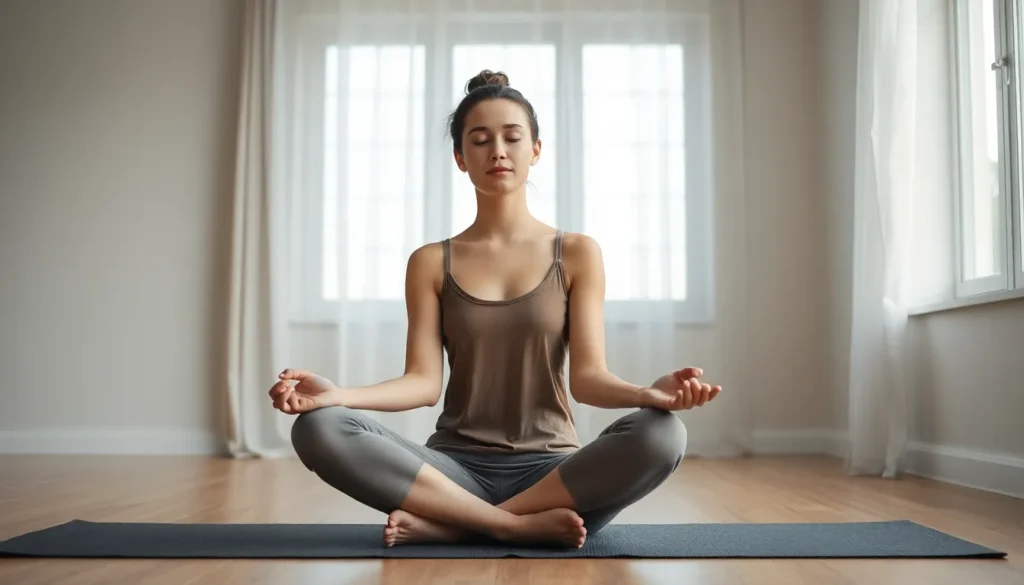
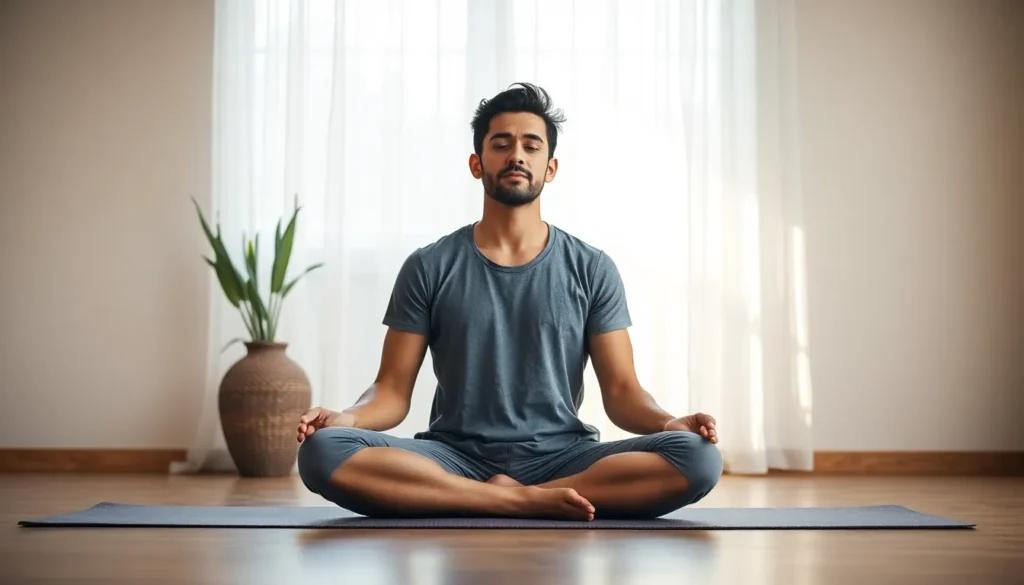
Understanding inner tension plays a crucial role in managing daily stress. Observing this tension brings clarity and awareness to emotional states, leading to healthier coping strategies.
Benefits of Awareness
Awareness of inner tension provides valuable insights into emotional well-being. Recognizing tension signals helps individuals respond rather than react to stressors. They can identify patterns in their thoughts and feelings, facilitating personal growth. Enhanced self-awareness fosters empathy towards oneself and others, promoting healthier relationships. Acknowledging inner discomfort allows people to transform negative energy into positive change.
Impact on Mental Health
Observing inner tension significantly affects mental health. Addressing these sensations reduces symptoms of anxiety and depression. Individuals who recognize their inner turmoil often experience a decrease in emotional overwhelm. Developing coping mechanisms empowers them to better handle life’s challenges. As awareness increases, resilience builds, providing stability in the face of stress. Thus, acknowledging inner tension bolsters overall mental health and well-being.
Techniques for Observing Inner Tension
Observing inner tension involves various techniques that foster awareness and promote emotional regulation. Practicing these methods can lead to a deeper understanding of oneself.
Mindfulness Practices
Mindfulness practices serve as effective tools for observing inner tension. Techniques like meditation, breath awareness, and body scans allow individuals to tune into their thoughts and feelings. Breathing deeply can help reduce immediate symptoms of tension, such as tightness and anxiety. Engaging in regular mindful activities cultivates a clearer awareness of emotional states. Such awareness often leads to identifying specific triggers that cause discomfort. In turn, recognizing these triggers helps individuals respond constructively during stressful situations.
Journaling and Self-Reflection
Journaling encourages self-reflection and enhances the observation of inner tension. Writing about emotions and experiences aids in understanding underlying thoughts. Regular entries can reveal patterns in feelings and reactions, fostering greater self-awareness. Individuals often find it beneficial to explore their daily stresses through structured prompts. Asking questions such as “What caused my tension today?” helps clarify emotional responses. Over time, this practice nurtures personal growth and emotional resilience. By reviewing journal entries, one notices connections between thoughts and bodily sensations, deepening their insight into inner tension.
Strategies to Alleviate Inner Tension
Effective strategies manage and alleviate inner tension, leading to a calmer mind and body. Two prominent methods include breathing exercises and physical activities.
Breathing Exercises
Breathing exercises provide an immediate way to reduce stress. They involve focusing on one’s breath to create a sense of calm. Techniques like deep breathing ask individuals to inhale slowly through the nose, holding the breath briefly, and exhaling through the mouth. These practices can lower heart rates and alleviate muscle tightness. Another method, diaphragmatic breathing, encourages using the diaphragm for deeper inhalation, increasing oxygen flow. Engaging in these exercises for just a few minutes daily fosters greater emotional control, establishing a solid foundation for inner peace.
Physical Activities
Physical activities play a crucial role in mitigating inner tension. Engaging in exercise releases endorphins, naturally uplifting mood and reducing anxiety. Activities such as walking, jogging, or yoga focus both the mind and body, fostering relaxation. Participating in regular physical activity can also promote better sleep, essential for emotional well-being. Different forms of exercise cater to various preferences; some might prefer team sports for social connection, while others enjoy solitary pursuits like swimming or cycling. Incorporating these activities into daily routines establishes healthy habits, promoting long-term resilience against stressors.
Observing inner tension is a crucial step toward emotional well-being. By tuning into the body’s signals and recognizing the signs of stress individuals can unlock deeper insights into their emotional landscape. This awareness not only helps in identifying triggers but also fosters healthier coping strategies.
Incorporating mindfulness practices and physical activities into daily routines creates a solid foundation for managing inner tension. As individuals embrace this journey of self-discovery they empower themselves to navigate life’s challenges with greater clarity and resilience. Ultimately this process leads to improved mental health and more fulfilling relationships.