
In a world buzzing with constant distractions, finding mental stillness can feel like searching for a needle in a haystack—while blindfolded. Yet, cultivating habits that promote calmness isn’t just a luxury; it’s a necessity for anyone wanting to navigate life’s chaos with grace. Imagine sipping your morning coffee without a million thoughts racing through your head. Sounds dreamy, right?
Mental stillness habits aren’t just for yogis perched on mountaintops. They’re for anyone who wants to reclaim their sanity in a world that loves to throw curveballs. From simple breathing techniques to mindful moments, these habits can transform a frantic mind into a serene oasis. So, buckle up and get ready to dive into the art of mental stillness—where peace of mind is just a habit away.
Understanding Mental Stillness Habits
Mental stillness habits refer to practices that promote calmness and focus amid distractions. These habits enable individuals to maintain a tranquil state of mind and enhance overall well-being.
Definition of Mental Stillness
Mental stillness involves achieving a state of calmness and clarity in one’s thoughts. Achieving this state helps individuals manage stress effectively. Essential components include mindfulness and intentional breathing. Mindfulness encourages awareness of the present moment, while intentional breathing supports relaxation. Both techniques help quiet mental chatter and create a sense of peace.
Importance of Mental Stillness Habits
Developing mental stillness habits plays a critical role in enhancing mental health. These habits foster resilience and improve emotional regulation. Regular practice can lead to reduced anxiety and increased focus. Cultivating mental stillness helps individuals respond to life’s challenges more effectively. Embracing simple habits promotes a clearer mind and enhances creativity. Engaging in these practices allows individuals to experience deeper moments of reflection and insight, improving overall life satisfaction.
Key Mental Stillness Habits
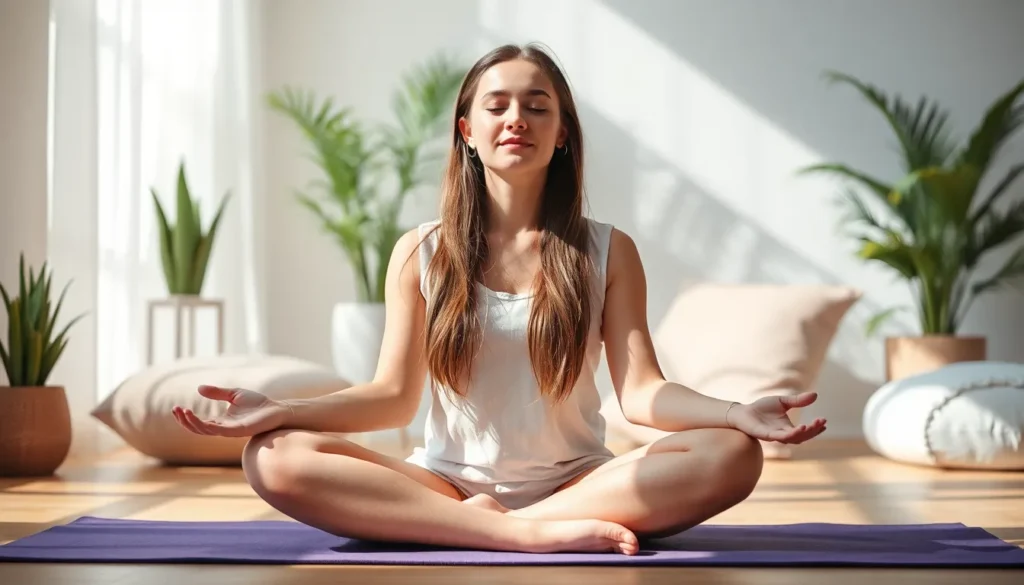
Cultivating mental stillness involves incorporating specific habits that promote calm and clarity. Two primary practices stand out: meditation and mindfulness.
Meditation Practices
Meditation serves as a cornerstone for achieving mental stillness. Various forms exist, including focused attention, loving-kindness, and body scan techniques. Focused attention meditation involves concentrating on a specific object or breath, helping to enhance present-moment awareness. Loving-kindness meditation encourages individuals to generate feelings of compassion for themselves and others, fostering emotional well-being. Body scan meditation promotes relaxation by guiding awareness through different body parts, reducing tension. Each practice offers unique benefits, empowering individuals to choose what resonates with them.
Mindfulness Techniques
Mindfulness techniques play a vital role in achieving mental stillness. Practicing mindful breathing involves paying attention to inhalation and exhalation, anchoring thoughts in the present moment. Engaging in mindful walking invites awareness to one’s surroundings and sensations while walking, enhancing connection to the environment. Daily activities can become moments of mindfulness, such as eating with intention or noticing sounds without judgment. By incorporating these techniques into everyday routines, individuals foster a deeper sense of awareness and tranquility.
Benefits of Mental Stillness Habits
Mental stillness habits offer numerous benefits that contribute to overall well-being. Individuals practicing these techniques experience significant improvements in various aspects of their lives.
Improved Focus and Clarity
Enhanced focus and clarity stem from regular mental stillness practices. Meditation techniques, like focused attention, train the mind to concentrate better on tasks. Increased concentration allows individuals to filter distractions effectively. This heightened awareness leads to clearer thought processes, fostering creativity and problem-solving abilities. As mental clutter decreases, productivity often rises, enabling more efficient work and decision-making.
Enhanced Emotional Well-Being
Emotional well-being improves significantly with consistent mental stillness habits. Mindfulness practices promote emotional regulation, allowing individuals to respond rather than react to challenges. A calm mind reduces anxiety levels, creating space for positive emotions. Enhanced emotional awareness contributes to stronger relationships and greater resilience during stressful situations. By fostering a sense of inner peace, these habits lead to an overall sense of happiness and satisfaction in life.
Tips for Incorporating Mental Stillness Habits
Incorporating mental stillness habits into daily life leads to enhanced focus and emotional well-being.
Creating a Routine
Establishing a consistent routine promotes mental stillness. Dedicate specific times for practices like meditation or mindful breathing. Morning sessions often set a calm tone for the day. Evening practices can help unwind and reflect before sleep. Short bursts of 5 to 10 minutes are effective for beginners. Adjusting the duration based on comfort helps maintain motivation. Integrate these routines seamlessly into existing activities, like a quiet cup of coffee or a peaceful walk. Sticking to a schedule fosters positive associations with these calming practices and reinforces their importance in daily life.
Overcoming Common Barriers
Identifying common barriers aids in overcoming challenges to mental stillness. Busy schedules often create distractions, but prioritizing 10 minutes can still yield benefits. Lack of knowledge about techniques can hinder progress, yet numerous resources are available online for guidance. Noise and interruptions may disrupt focus; using headphones or finding a quiet space assists in mitigating these issues. Feeling overwhelmed by expectations can also deter individuals, so starting small and celebrating progress encourages persistence. Transforming these obstacles into manageable steps enhances overall commitment to developing mental stillness habits.
Embracing mental stillness habits can profoundly impact one’s life. By integrating practices like meditation and mindfulness into daily routines, individuals can cultivate a sense of calm amidst chaos. These techniques not only enhance focus but also promote emotional well-being and resilience.
Overcoming barriers to mental stillness is achievable with commitment and small steps. Celebrating progress along the way reinforces the journey towards tranquility. Ultimately, the pursuit of mental stillness leads to greater life satisfaction, creativity, and a deeper connection to the present moment. Prioritizing these habits can transform how one navigates life’s challenges, fostering a more peaceful and fulfilling existence.