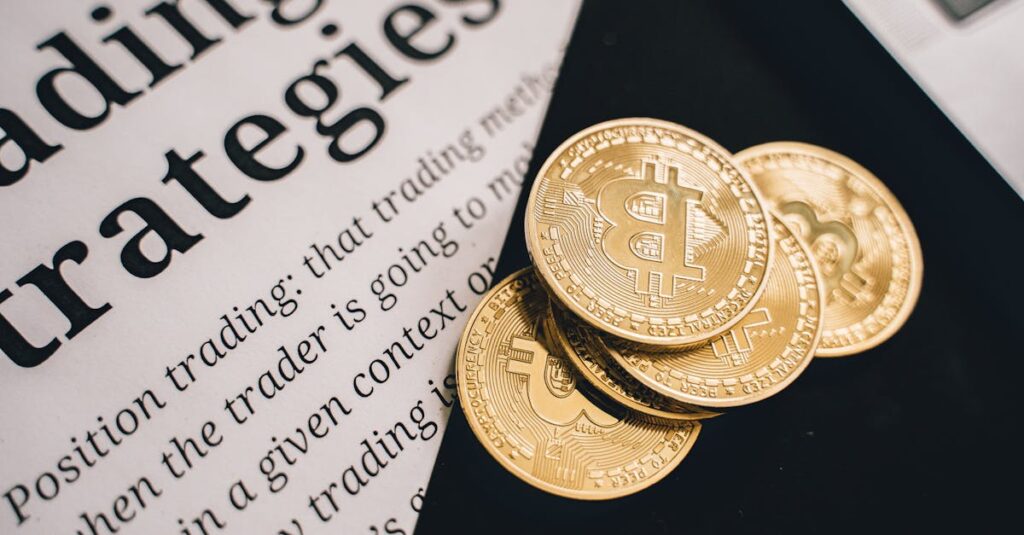
In a world where digital assets are as valuable as gold, ensuring their authenticity is no laughing matter—unless you’re the one trying to sell a cat meme for a million bucks. Digital asset verification is the superhero every online seller needs, swooping in to save the day from fraud and counterfeit chaos. Without it, you might as well be trying to sell a magic potion at a science convention.
Imagine a realm where every digital artwork, cryptocurrency, or NFT is as secure as a vault. That’s what digital asset verification promises. It provides peace of mind for buyers and sellers alike, ensuring that what you see is truly what you get. So buckle up as we dive into the nitty-gritty of how this process works and why it’s essential for navigating the wild west of the digital marketplace.
Table of Contents
ToggleUnderstanding Digital Asset Verification
Digital asset verification serves a critical role in the contemporary marketplace. Verification ensures the authenticity and integrity of digital assets, protecting both buyers and sellers.
Definition and Importance
Digital asset verification involves confirming the legitimacy of assets like cryptocurrencies, digital art, and online documents. It prevents fraud by validating ownership and originality, crucial in a landscape where digital assets can quickly change hands. This process not only enhances trust but also safeguards investments, making it indispensable in today’s economy.
Types of Digital Assets
Digital assets encompass various forms, including cryptocurrencies, non-fungible tokens (NFTs), and digital contracts. Cryptocurrencies represent a decentralized digital currency, while NFTs signify ownership of unique digital items, often used in art and collectibles. Digital contracts automate agreements, requiring verification to enforce terms and conditions, thus assuring all involved parties of their commitments. Each type demands specific verification methods to maintain security and authenticity.
The Digital Asset Verification Process
Digital asset verification involves several critical steps aimed at ensuring the authenticity and ownership of assets in the digital realm. This structured approach mitigates the risks of fraud while enhancing trust among users.
Steps Involved
First, asset identification establishes what type of digital asset is being verified, such as cryptocurrencies or NFTs. Second, proof of ownership checks whether the seller possesses the required rights to the asset. Third, transaction history evaluation tracks previous transactions tied to the asset to identify any irregularities. Fourth, validation through blockchain examination ensures the asset’s integrity. Lastly, confirmation of seller identity validates the legitimacy of the asset’s provenance and the trustworthiness of the seller.
Tools and Technologies
Verification employs various tools and technologies designed to facilitate accurate assessments. Blockchain explorers enable users to track transactions and verify ownership. Digital wallets provide secure storage options while ensuring easy access to asset information. Smart contracts automate verification processes, reducing human error and enhancing efficiency. Third-party verification services offer additional layers of scrutiny, which help maintain high standards in asset validation. Each tool and technology plays a vital role in upholding the authenticity and security of digital assets.
Benefits of Digital Asset Verification
Digital asset verification offers multiple advantages that enhance the safety and reliability of digital transactions. Key benefits include enhanced security and increased trust and transparency.
Enhanced Security
Enhanced security stands as a primary benefit of digital asset verification. Verification processes prevent fraudulent activities that could otherwise compromise asset integrity. Methods like transaction history evaluation secure ownership by tracing digital assets back to their origins, ensuring that what buyers receive is legitimate. Blockchain examination strengthens this security, as it allows for the immutable recording of transactions. Utilizing encryption and robust security protocols further protects sensitive data, making unauthorized access nearly impossible. As a result, both buyers and sellers gain confidence in their digital exchanges.
Increased Trust and Transparency
Increased trust and transparency serve as vital outcomes of digital asset verification. Buyers feel more secure knowing that verification processes confirm the authenticity of digital assets like NFTs and cryptocurrencies. This process allows potential investors access to crucial information about an asset’s history and ownership, fostering informed decision-making. Transparent verification methods showcase the legitimacy behind transactions, building trust among marketplace participants. Additionally, verified assets align with regulatory compliance, reinforcing confidence in the marketplace as a whole. Effective verification assures buyers that they are investing in credible assets, ultimately benefiting the digital economy.
Challenges in Digital Asset Verification
Digital asset verification encounters several significant challenges, impacting the overall security and trust in this evolving marketplace.
Technical Limitations
Technical challenges often arise during digital asset verification. Scalability issues can hinder the processing of high volumes of transactions, particularly during peak demand periods. Verification methods sometimes vary across different types of assets, complicating the process. Interoperability between various blockchain systems presents another obstacle, as this lack of uniformity can lead to inconsistencies in verification outcomes. Furthermore, reliance on technology may expose vulnerabilities to cyberattacks, potentially compromising asset security. Organizations must continuously adapt their systems and tools to mitigate these technical limitations and ensure robust verification processes.
Regulatory Issues
Regulatory challenges significantly influence digital asset verification. Variations in laws across jurisdictions can complicate compliance efforts. Asset classification ambiguity often leads to uncertainty about which regulations apply, causing confusion for market participants. Consequently, organizations struggle to keep pace with evolving regulatory frameworks, especially those related to cryptocurrencies and NFTs. Strict compliance requirements may limit the ease of conducting transactions and verifying assets, creating additional hurdles. Awareness of these regulatory issues becomes essential for businesses seeking to navigate the digital asset landscape while ensuring proper verification practices.
Future Trends in Digital Asset Verification
Digital asset verification continues to evolve rapidly. Innovations in technology and increasing regulatory pressures shape its future trajectory.
Innovations and Developments
Advancements in artificial intelligence enhance verification accuracy. Enhanced algorithms analyze transaction behaviors to flag anomalies, preventing fraud. Additionally, biometric authentication methods improve user verification processes. Blockchain technology evolves, introducing next-generation solutions for asset traceability. Smart contracts gain prominence, automating verification steps and reducing reliance on intermediaries. Solutions for scalability address previous limitations, accommodating growing markets. As technologies advance, integration across platforms becomes more seamless, allowing real-time verification updates.
Impact on Various Industries
Finance experiences transformative changes through digital asset verification. Financial institutions leverage verification methods to streamline compliance and mitigate risks. In the art world, verification fosters trust by authenticating digital artworks and NFTs. The real estate sector also benefits, as verification processes ensure property ownership authenticity and simplify transactions. E-commerce platforms see increased consumer confidence through secure transaction verifications. Education utilizes verification to confirm the authenticity of digital certificates and diplomas. Overall, industries adopt verification processes, enhancing security and fostering trust within their respective markets.
Digital asset verification stands as a cornerstone in the evolving landscape of online transactions. As digital assets gain prominence across various sectors, the need for robust verification processes becomes increasingly critical. By ensuring authenticity and preventing fraud, these processes not only protect individual investments but also enhance overall marketplace trust.
The integration of innovative technologies will further streamline verification methods, making them more efficient and secure. As industries continue to embrace digital assets, the commitment to rigorous verification practices will be essential in fostering confidence and stability in this dynamic environment. The future promises exciting advancements that will redefine how digital assets are verified and valued.