
Imagine a world where buying a house is as simple as clicking a button, where endless paperwork is replaced by a few secure digital contracts. This is not a dream: it’s what blockchain technology is bringing to the real estate industry. With the potential to eliminate fraud, reduce costs, and hasten transactions, blockchain is the digital superhero real estate has been waiting for. But how exactly does it work and what does it mean for the average buyer or seller? Let’s immerse and explore the fascinating interplay between blockchain and real estate.
Understanding Blockchain Technology
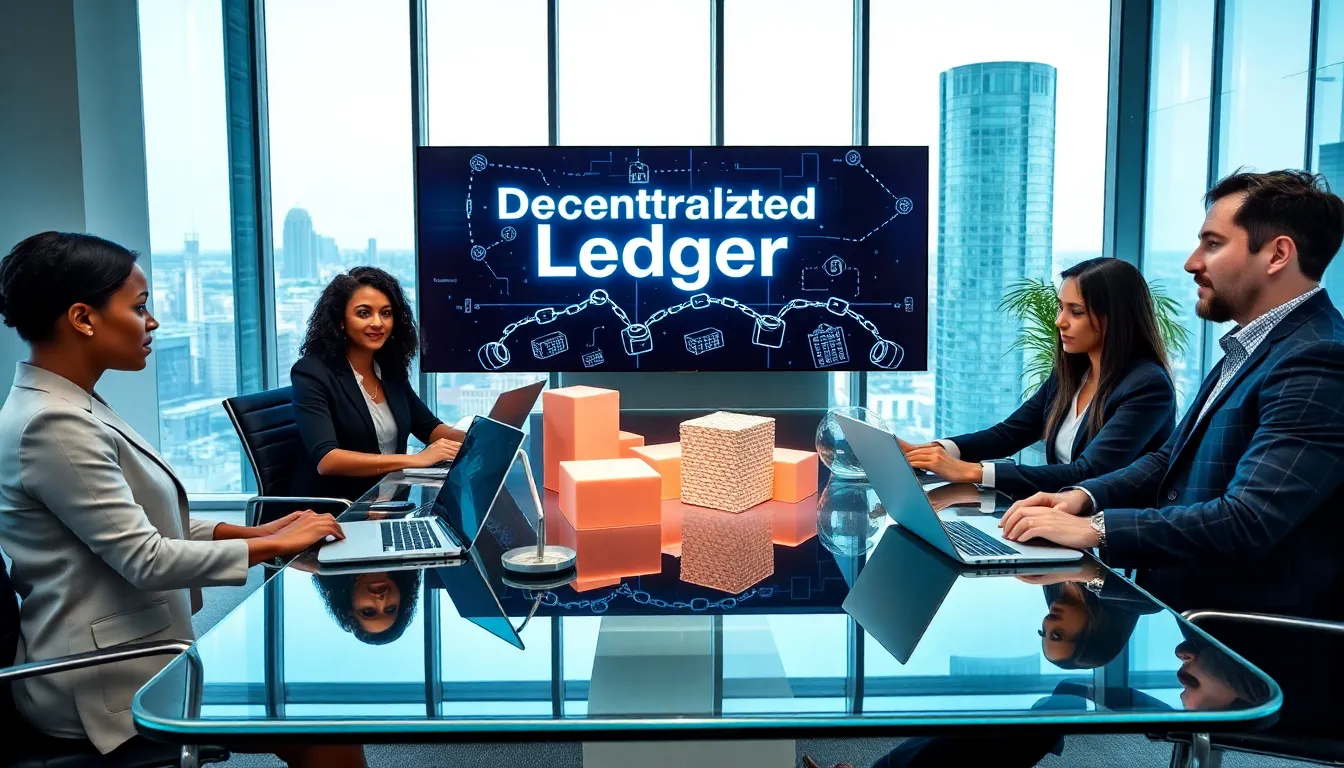
Blockchain technology, at its core, functions as a decentralized ledger. Each transaction or data entry becomes part of an ongoing chain of blocks, secured by cryptography and transparent to all participants. Unlike traditional databases controlled by a single entity, blockchain distributes control among all users, making it inherently robust against tampering and fraud. Every transaction is recorded chronologically, allowing everyone involved to access a complete history of ownership and actions related to any asset. Its decentralized nature means no single authority has control, fostering greater trust among users.
Key Features of Blockchain in Real Estate
Several key features make blockchain especially appealing for real estate transactions.
Transparency
Blockchain ensures complete transparency in transactions. Every change is recorded on the public ledger, available for users to see. Rather than playing the guessing game about ownership history or property status, buyers can simply check the blockchain.
Security
Security is paramount in real estate, and blockchain provides it through encryption. This technology safeguards sensitive data, making it far more difficult for unauthorized individuals to manipulate records.
Efficiency
Smart contracts, a product of blockchain technology, automate processes that typically require numerous intermediaries. This ensures that transactions occur quickly without the usual red tape, allowing buyers and sellers to finalize deals much faster than ever before.
Benefits of Blockchain in Real Estate Transactions
Integrating blockchain into real estate transactions offers numerous benefits:
Reduced Costs
By cutting out middlemen such as brokers and notaries, blockchain can significantly decrease transaction costs. Property buyers and sellers stand to save a substantial amount, redirecting their funds toward home improvements or other investments.
Enhanced Access
Blockchain lowers barriers to entry, making real estate investing accessible to more individuals. Fractional ownership becomes possible, allowing people to invest in property without needing the capital for an entire property.
Challenges and Limitations of Blockchain in Real Estate
Even though its promise, blockchain in real estate isn’t without challenges.
Regulatory Hurdles
Real estate is heavily regulated. The involvement of blockchain raises questions about compliance with existing laws. In many regions, regulatory bodies are still figuring out how to adapt legislation to accommodate this new technology.
Technology Adoption
The transition to blockchain requires a significant technological overhaul for real estate firms. Some organizations may resist adopting this innovation due to costs or a lack of understanding.
Implementing Blockchain Solutions in Real Estate
Implementing blockchain in real estate involves several steps:
Education and Training
Real estate professionals must grasp the basics of blockchain technology fully. Training programs and workshops can help bridge this knowledge gap.
Collaborative Approach
Working with tech experts can smooth the integration. By collaborating with software developers and blockchain specialists, real estate firms can tailor solutions that meet their specific needs.
Case Studies: Successful Implementations of Blockchain in Real Estate
Several companies are already utilizing blockchain effectively:
Propy
Propy is a platform that enables international real estate transactions using blockchain technology. By automating the transaction process and utilizing smart contracts, Propy makes buying and selling property across borders easier.
Ubitquity
Ubitquity provides a blockchain-based title and escrow service. This company offers transparency and efficiency in the title transfer process, reducing the potential for fraud in property ownership.
The Future of Blockchain in Real Estate
As technology continues to evolve, so will the role of blockchain in real estate.
Increased Adoption
The future seems bright, with predictions that blockchain will become a standard part of real estate transactions. Increased understanding among professionals will drive greater implementation.
Smart Cities and Real Estate
As cities become smarter, integrating blockchain can provide improved data management, further enhancing efficiency in real estate markets. Property management might move toward an entirely blockchain-based system, streamlining operations.